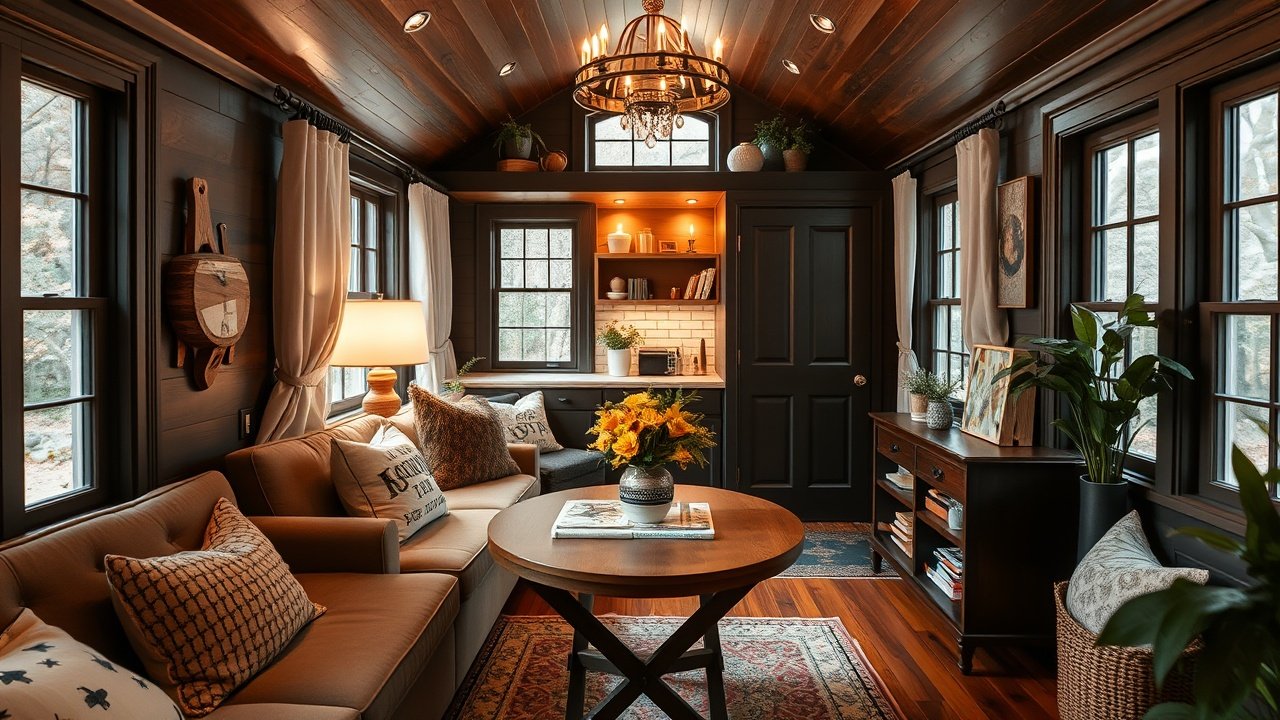
5 Things to Consider Before Buying a Tiny Home
Key Takeaways
- Consider local zoning regulations before purchasing a tiny home to ensure it can be legally placed on the desired property.
- Evaluate budget and financing options carefully, as tiny homes may have different loan requirements and costs than traditional homes.
- Think about the size and layout of the tiny home to ensure it meets your needs and lifestyle.
- Plan for ongoing maintenance and upkeep, as tiny homes may require different care than larger homes.
- Research the community and lifestyle factors of the area where you plan to place your tiny home to ensure it aligns with your preferences.
When contemplating the purchase of a tiny home, one of the most crucial factors to consider is the location and associated zoning regulations. Many municipalities have specific rules and restrictions regarding the placement and occupancy of tiny homes, which can significantly impact your ability to live in your desired area. It’s essential to thoroughly research local zoning laws, building codes, and land use regulations to ensure that your tiny home will be legally permitted in your chosen location.
Furthermore, some areas may have minimum square footage requirements for permanent dwellings, which could potentially exclude tiny homes from certain neighborhoods or communities. It’s also important to consider whether you plan to place your tiny home on a permanent foundation or keep it mobile, as this can affect the types of locations available to you. Consulting with local authorities and real estate professionals can provide valuable insights into the specific regulations and requirements in your area of interest.
Budget and Financing Options
Another critical aspect to consider when purchasing a tiny home is your budget and the available financing options. While tiny homes are generally less expensive than traditional houses, they still represent a significant investment. It’s crucial to carefully assess your financial situation and determine how much you can comfortably afford to spend on your tiny home, taking into account not only the initial purchase price but also ongoing expenses such as utilities, maintenance, and potential land costs.
When it comes to financing, it’s important to note that traditional mortgage options may not always be available for tiny homes, particularly if they are mobile or fall below certain square footage thresholds. However, there are alternative financing options to explore, such as personal loans, RV loans, or specialized tiny home loans offered by certain lenders. Additionally, some tiny home builders offer in-house financing or rent-to-own programs, which can provide more accessible paths to ownership.
Thoroughly researching and comparing different financing options can help you make an informed decision that aligns with your financial goals and circumstances.
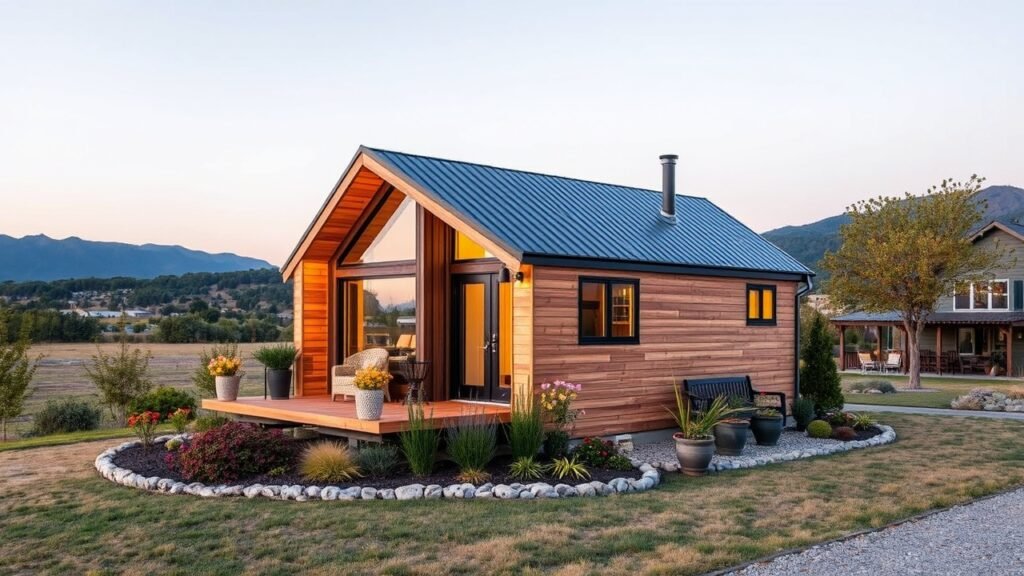
Size and Layout Considerations
When it comes to tiny homes, every square inch counts, making size and layout considerations paramount in the decision-making process. It’s essential to carefully evaluate your lifestyle needs and preferences to determine the optimal size and configuration for your tiny home. Consider factors such as the number of occupants, storage requirements, and any specific features or amenities you deem necessary for comfortable living. Moreover, it’s crucial to think about the long-term practicality of the layout and design. While a particular floor plan may seem appealing at first glance, it’s important to envision how it will function in your day-to-day life.
Consider aspects such as the flow between different areas, the placement of windows for natural light and ventilation, and the potential for multi-functional spaces that can adapt to various needs. Additionally, think about any future changes in your lifestyle or family situation that may impact your space requirements. By carefully considering these factors, you can ensure that your tiny home will be both functional and comfortable for years to come.
For more information, you can visit this Reddit thread.
Maintenance and Upkeep
| Category | Metric | Value |
|---|---|---|
| Maintenance | Preventive Maintenance | 95% |
| Upkeep | Equipment Downtime | 2 hours per month |
| Maintenance | Work Orders Completed | 98% |
While tiny homes often require less maintenance than traditional houses due to their smaller size, it’s still crucial to consider the ongoing upkeep and care needed to keep your home in top condition. Factors such as the materials used in construction, the quality of appliances and fixtures, and the overall design can all impact the level of maintenance required. It’s important to research and understand the specific maintenance needs of different tiny home models and designs to ensure you’re prepared for the responsibilities that come with ownership.
Additionally, consider the potential challenges associated with maintaining a tiny home, such as accessing hard-to-reach areas for cleaning or repairs, or dealing with limited storage space for tools and cleaning supplies. It’s also worth thinking about the frequency and cost of routine maintenance tasks, such as painting, weatherproofing, and system checks. By carefully evaluating these factors and planning accordingly, you can ensure that your tiny home remains a comfortable and well-maintained living space for years to come.
Community and Lifestyle Factors
When considering a tiny home, it’s essential to think about how this unique living arrangement will impact your lifestyle and social connections. Living in a tiny home often requires a significant shift in mindset and daily habits, as you’ll need to adapt to a more minimalist lifestyle and potentially give up certain amenities or possessions.
It’s important to honestly assess whether you’re prepared for this change and if it aligns with your long-term goals and values.
Furthermore, consider the potential impact on your social life and community connections. Some tiny home communities offer a strong sense of camaraderie and shared values among residents, which can be appealing for those seeking a close-knit community. However, if you’re planning to place your tiny home in a more traditional neighborhood or rural area, you may need to be proactive in building and maintaining social connections.
Additionally, think about how living in a tiny home might affect your ability to host guests or entertain, and whether this aligns with your social preferences and lifestyle.
Environmental Impact and Sustainability
One of the most appealing aspects of tiny homes for many buyers is their potential for reduced environmental impact and increased sustainability. Tiny homes typically have a smaller carbon footprint compared to traditional houses due to their reduced size and energy requirements. When considering a tiny home, it’s worth exploring the various eco-friendly features and technologies available, such as solar panels, composting toilets, rainwater collection systems, and energy-efficient appliances.
These features can not only reduce your environmental impact but also lead to long-term cost savings on utilities and resources. However, it’s also important to consider the materials and construction methods used in building the tiny home. Look for homes that utilize sustainable, non-toxic materials and energy-efficient design principles.
Additionally, think about how your lifestyle in a tiny home might contribute to overall sustainability, such as the potential for reduced consumption and waste generation.
By carefully evaluating these factors, you can ensure that your tiny home aligns with your environmental values and contributes to a more sustainable future.
Resale Value and Long-Term Investment
While many people purchase tiny homes with the intention of long-term occupancy, it’s still important to consider the potential resale value and investment aspects of your purchase. The tiny home market is relatively new and still evolving, which can make it challenging to predict long-term value trends. Factors such as location, quality of construction, unique features, and overall design can all impact the potential resale value of a tiny home.
It’s also worth considering how the tiny home market may change over time and how this could affect your investment. For example, as tiny homes become more mainstream, there may be increased demand and potentially higher resale values. However, changes in zoning laws or shifts in housing preferences could also impact the market.
Additionally, think about the potential for customization or upgrades that could add value to your tiny home over time. By carefully considering these factors and staying informed about market trends, you can make a more informed decision about the long-term investment potential of your tiny home purchase.
FAQs
What are the key factors to consider before buying a tiny home?
Before buying a tiny home, it’s important to consider location and zoning regulations, budget and financing options, size and layout considerations, maintenance and upkeep, community and lifestyle factors, environmental impact and sustainability, and resale value and long-term investment.
Why is it important to consider location and zoning regulations before buying a tiny home?
Location and zoning regulations are important to consider before buying a tiny home because they determine where you can legally place your tiny home. Zoning regulations vary by location and may impact the size, type, and placement of tiny homes.
What budget and financing options should be considered before buying a tiny home?
Before buying a tiny home, it’s important to consider your budget and explore financing options. This may include saving up for the purchase, securing a personal loan, or exploring alternative financing options specifically designed for tiny homes.
What size and layout considerations should be taken into account before buying a tiny home?
Size and layout considerations are important before buying a tiny home to ensure that the space meets your needs and lifestyle. Factors to consider include the number of occupants, storage needs, and the overall layout and design of the tiny home.
What maintenance and upkeep factors should be considered before buying a tiny home?
Before buying a tiny home, it’s important to consider the maintenance and upkeep requirements. This includes understanding the maintenance needs of the home, as well as any additional costs associated with upkeep such as utilities and repairs.
How do community and lifestyle factors play a role in buying a tiny home?
Community and lifestyle factors are important to consider before buying a tiny home as they can impact your overall living experience. This includes considering the available amenities, social opportunities, and the overall lifestyle of the community where you plan to place your tiny home.
What is the environmental impact and sustainability of owning a tiny home?
Owning a tiny home can have a positive environmental impact and promote sustainability. Tiny homes typically have a smaller carbon footprint, require fewer resources to build and maintain, and can be designed with eco-friendly features such as solar panels and composting toilets.
What should be considered in terms of resale value and long-term investment when buying a tiny home?
Before buying a tiny home, it’s important to consider the potential resale value and long-term investment. Factors to consider include the location of the tiny home, the overall condition and quality of the home, and the potential for appreciation or depreciation in the housing market.
Leave a Reply