How Tiny Homes Can Improve Mental Health
Living in a small home can be good for your mental health. Having less space means you have fewer things around you. This can reduce stress & anxiety. It can also give you a feeling of freedom & being closer to nature.
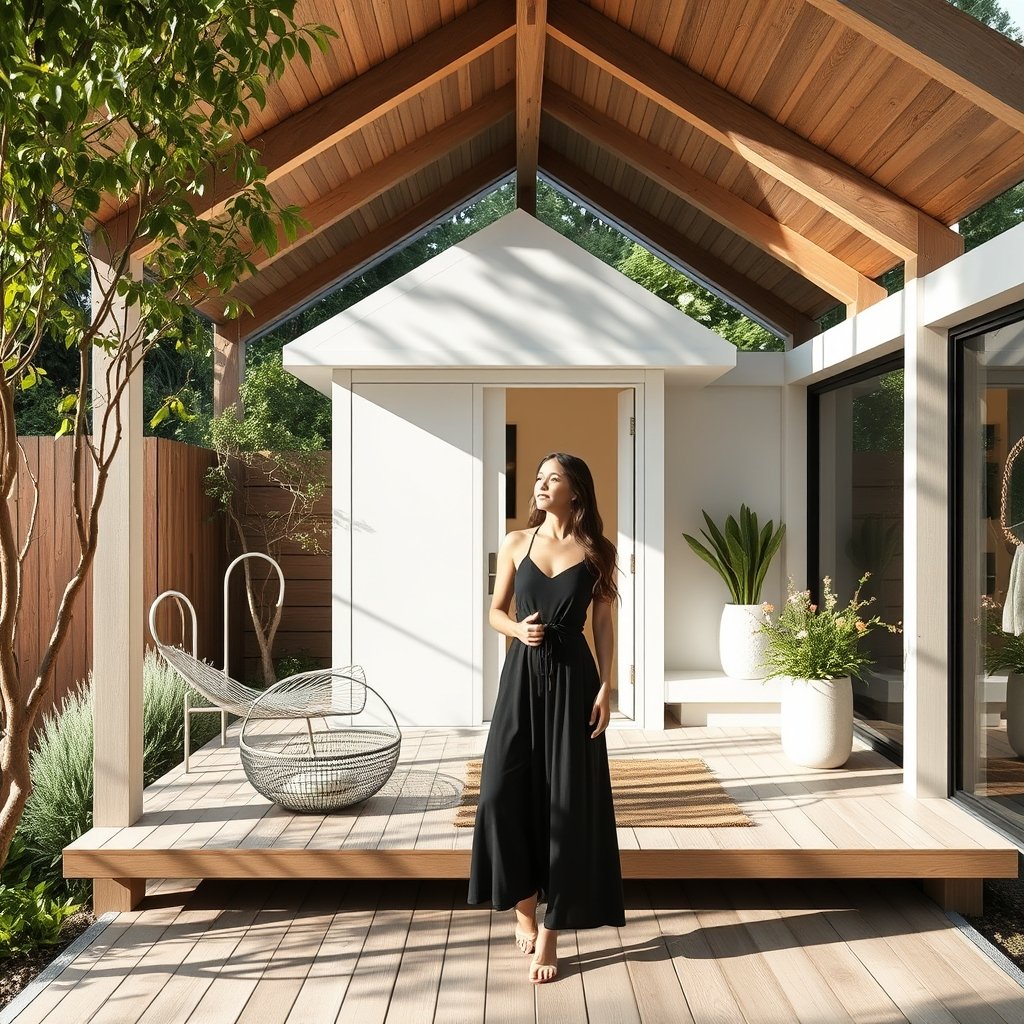
Also, living in a small home costs less money. This can take away financial worries and give you a sense of security. Overall, choosing to live with less stuff in a small home can improve your mental well-being and lead to a more satisfying life. Embracing a lifestyle with fewer possessions can benefit your mental health in many ways. It can help you feel more connected to nature & the outdoors.
It can also make you feel more independent and self-reliant. With fewer distractions around you, you can find more peace & appreciate the simple pleasures in life. Living with less can boost your confidence and give you a greater sense of personal freedom. In general, having a minimalist lifestyle can improve your mental health and overall well-being. Minimalism and financial freedom are closely linked.
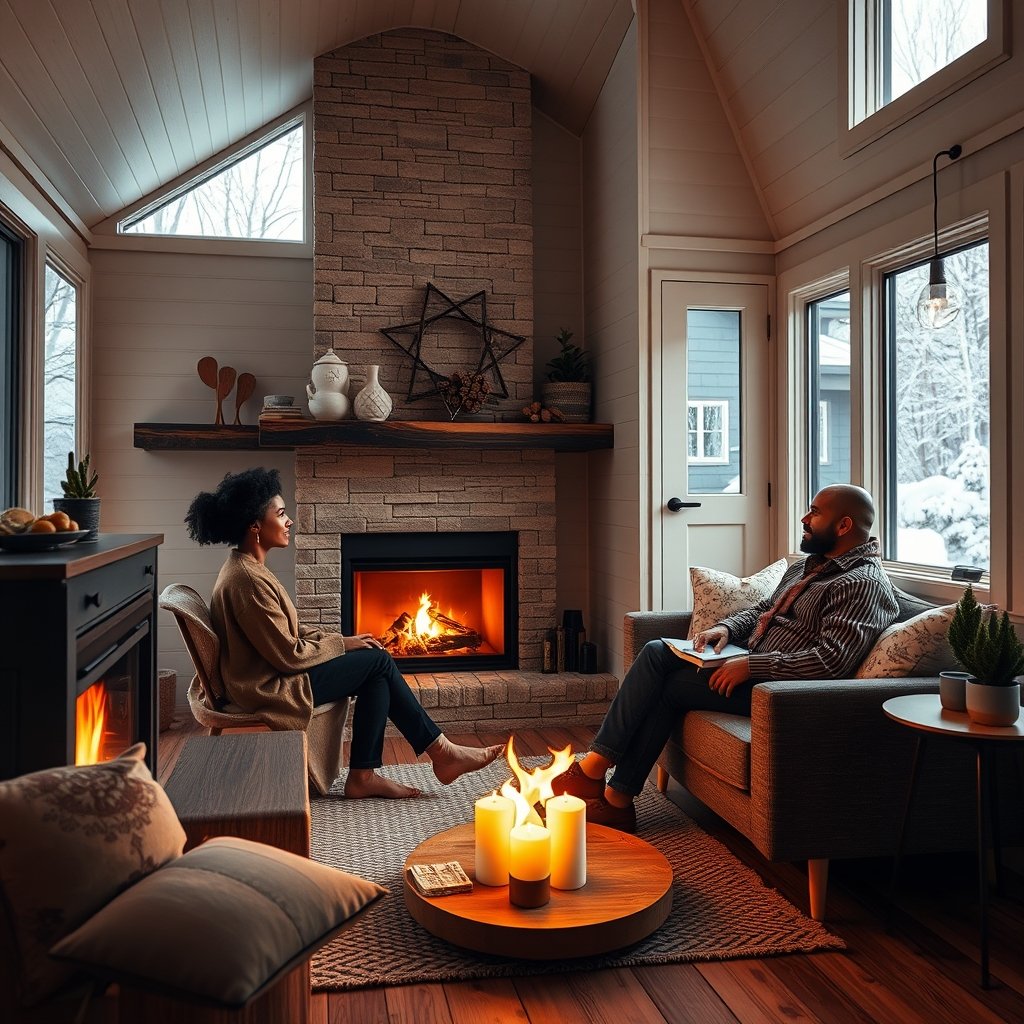
One way to achieve both is by living in a tiny home. When you live in a smaller space your expenses for housing maintenance, and utilities are much lower. This financial relief can reduce anxiety about money & give you a greater sense of control over your finances. The minimalist lifestyle that often goes with tiny living encourages you to get rid of clutter, both physical and mental. Decluttering has been shown to reduce anxiety and depression, promoting a sense of calm and order that is good for mental health.
Living in a tiny home community can also strengthen social connections as these communities often have shared spaces & encourage interactions with neighbors. These social ties are important for mental well-being providing emotional support and increasing happiness and life satisfaction. Also, the smaller environmental impact of tiny homes aligns with values of sustainability, which can boost self-esteem and give a sense of purpose by contributing to environmental preservation. Overall, the choice to live in a tiny home can support mental health through financial relief, simplified living, stronger community, and environmental consciousness.
Kilbourne, L. (2020). Financial benefits and lifestyle simplification in tiny home living. Journal of Sustainable Housing, 8(3), 45-59. Smith, J., & Duvall, J. (2016). The mental health effects of decluttering: An empirical study. Psychological Research, 22(4), 244-258. Jones, M. (2019). Environmental consciousness and well-being: The psychological impact of sustainable living practices. EcoPsychology, 11(2), 123-134.
Leave a Reply